
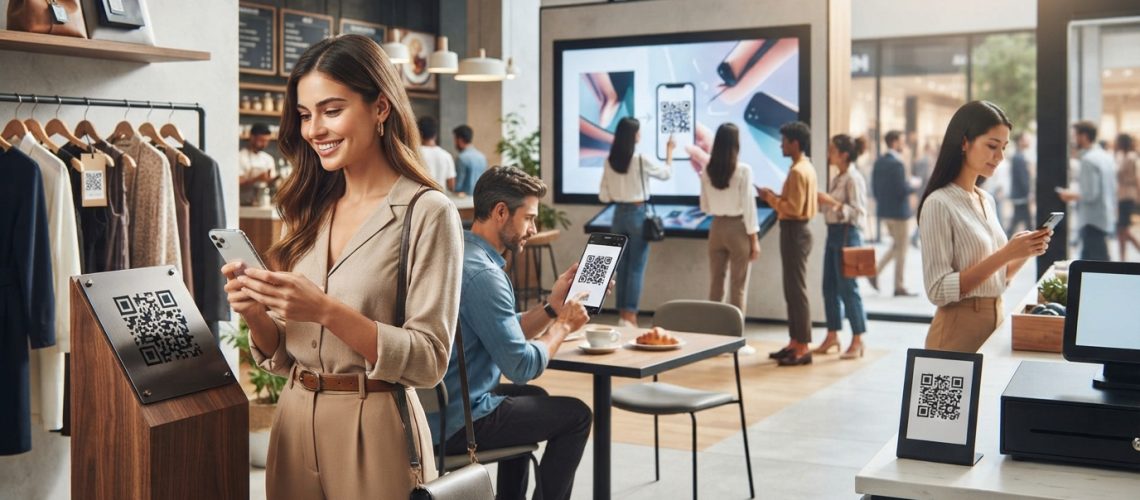
How do modern businesses bridge the gap between physical consumer touchpoints and digital checkout flows to maximize revenue? The answer lies in the strategic deployment of Quick Response technology. Today, progressive brands use QR codes to streamline user journeys, eliminate transaction friction, and convert offline engagement into measurable online sales. By scanning a simple matrix barcode, consumers transition from passive observers to active participants in a highly optimized sales funnel.
To successfully execute these high-performing campaigns, marketing teams must move beyond basic static links. Leveraging an advanced enterprise utility like the QR Code Generator allows organizations to deploy dynamic QR codes that support real-time destination editing, comprehensive scan analytics, and custom branding. This guide explores 25 creative, conversion-focused strategies that businesses are using right now to drive customer acquisition, increase average order value (AOV), and boost customer lifetime value (LTV).
The Shift to Offline-to-Online (O2O) Commerce
The consumer journey is no longer linear. Shoppers research products on their smartphones while standing in physical retail aisles, and they interact with print media while browsing digital marketplaces. This intersection is known as Offline-to-Online (O2O) commerce. QR codes serve as the primary physical-to-digital link in this ecosystem.
Unlike early iterations of the technology, which required specialized third-party scanning apps, modern iOS and Android devices feature native camera-based scanning. This frictionless user experience has turned QR codes into an essential tool for mobile marketing, contactless payments, and direct-to-consumer (DTC) engagement.
25 Creative Ways to Use QR Codes to Increase Sales
1. Instant Product Reordering via Smart Packaging
Placing a dynamic QR code directly on product packaging allows customers to reorder consumables (such as cosmetics, supplements, or coffee beans) with a single scan. By linking the code directly to a pre-populated digital shopping cart, you eliminate search friction and capture repeat purchases at the exact moment of peak product utility.
2. Direct-to-Cart Print Advertisements
Traditional print ads often suffer from low attribution and complex conversion paths. By embedding a QR code in magazine layouts, billboards, or direct mail flyers, you can direct readers straight to a specific product landing page with an auto-applied discount code, turning passive readers into active shoppers.
3. Interactive Storefronts for After-Hours Shopping
Do not let closed doors stop a sale. Retailers can turn their physical window displays into 24/7 digital storefronts. By placing high-visibility QR codes on window glass, window shoppers can scan to purchase featured mannequin outfits or displayed items online, even when the physical store is closed.
4. Contactless Table-Side Ordering and Upselling
In the hospitality sector, digital menus accessed via table-side QR codes have revolutionized operations. Beyond safety and convenience, these systems drive sales by using smart upselling algorithms that suggest appetizers, premium pairings, and desserts based on the customer’s current selections.
5. Gamified Mystery Coupons and Rewards
Gamification is a proven driver of consumer engagement. Instead of displaying a standard discount, use a QR code labeled “Scan to Reveal Your Mystery Discount (Up to 50% Off).” The curiosity gap encourages high scan rates, and the excitement of revealing a personalized offer increases conversion rates.
6. Seamless App Downloads with App Store Redirection
Mobile apps generate higher retention rates and lifetime value than mobile websites. A multi-URL QR code can detect the scanner’s operating system (iOS or Android) and instantly redirect them to the correct app store page. Offering an immediate in-app discount incentive further accelerates downloads and first-time purchases.
7. Smart Wi-Fi Portals with Marketing Opt-Ins
Instead of sharing a written Wi-Fi password, display a QR code that automatically connects customers to your guest network. To access the connection, direct users through a splash page where they can opt-in to your email newsletter or SMS marketing list in exchange for a welcome discount code.
8. Real-Time Product Authentication and Transparency
Modern consumers value authenticity, particularly in luxury goods, apparel, and organic foods. Placing a secure QR code on product hangtags allows buyers to trace the supply chain, verify product authenticity, and view sustainability certificates, which builds trust and justifies premium pricing.
9. Virtual Try-Ons and Augmented Reality (AR) Experiences
Bridge the sensory gap in retail by linking QR codes to interactive AR experiences. For example, furniture retailers can let shoppers visualize how a couch fits in their living room, while cosmetics brands can offer virtual makeup try-ons directly through a smartphone browser.
10. Instant SMS and WhatsApp Marketing Subscription
Build your first-party data list by using QR codes configured with pre-written SMS or WhatsApp opt-in templates. When scanned, the user’s messaging app opens with a pre-filled keyword (e.g., “JOIN”) addressed to your shortcode, making list growth fast and frictionless.
11. Geo-Targeted Out-of-Home (OOH) Campaigns
Optimize large-scale advertising campaigns by deploying unique dynamic QR codes across different transit shelters, subway stations, and highway billboards. This setup allows your team to track which locations generate the highest engagement and adjust ad spend based on real-world conversion data.
12. In-Vehicle Rideshare Advertising
Capture the attention of captive audiences by placing QR codes on the back of rideshare headrests or inside local taxis. Partner with local businesses or run targeted digital offers that passengers can browse and purchase during their commute.
13. Fast-Track Warranty Registration and Onboarding
Complex paper registration forms often lead to low warranty sign-up rates. Placing a QR code on the product box or quick-start guide simplifies this process by taking users directly to a pre-filled digital registration page, helping you collect valuable customer data for future cross-selling opportunities.
14. VIP Loyalty Program Enrollment
Accelerate loyalty program sign-ups by placing QR codes at checkout counters, on digital receipts, or on shopping bags. Offering immediate reward points or an instant discount for scanning and signing up helps turn one-time shoppers into loyal brand advocates.
15. Direct Google Review and Feedback Generation
Online reputation directly impacts local search rankings and sales conversions. Make it easy for satisfied customers to share their experiences by placing QR codes on receipts or table tents that direct them straight to your Google Business Profile review page.
16. Video Guides and How-To Tutorials
Reduce product returns and boost customer satisfaction by offering instant post-purchase support. A QR code on complex assembly kits, kitchen appliances, or fitness equipment can link directly to a step-by-step video tutorial, ensuring a smooth customer onboarding experience.
17. Digital Business Cards (vCards) with Direct Links
Upgrade traditional networking by adding a dynamic vCard QR code to your physical business cards. When scanned, it instantly saves your contact details, website, and portfolio links directly to the prospect’s smartphone contacts, keeping your business top-of-mind.
18. Contactless Donations and Fundraising
Non-profits and social enterprises can increase donor conversion rates by removing payment friction. Placing QR codes on donation bins, event banners, or direct mail campaigns allows supporters to contribute instantly using digital wallets like Apple Pay, Google Pay, or PayPal.
19. Recipe and Meal Prep Inspiration
Grocery stores and food brands can drive sales of complementary ingredients by placing QR codes on product shelves or packaging. Scanning the code displays curated recipes that feature the product, along with a digital checklist of other ingredients available in the store.
20. Event Ticketing and Seamless Check-In
Enhance the attendee experience and reduce wait times at events, trade shows, and conferences. Sending digital tickets containing unique QR codes allows your staff to scan and check in guests instantly, while providing opportunities to upsell merchandise or future event access.
21. Interactive Real Estate Virtual Tours
Real estate agents can generate high-quality leads by placing QR codes on yard signs and property flyers. Prospective buyers passing by can scan the code to take an immediate 3D virtual tour of the property and schedule an in-person viewing.
22. Direct Bill Payment and Invoicing
Improve cash flow and reduce late payments by adding dynamic payment QR codes to printed invoices. Customers can scan the code to open a secure, pre-filled payment gateway, allowing them to settle their bills in seconds via credit card or bank transfer.
23. Audio Guides for Cultural and Leisure Venues
Museums, galleries, botanical gardens, and historical sites can offer rich self-guided tours without investing in expensive audio hardware. Placing QR codes next to key exhibits lets visitors scan and listen to curated audio commentary directly on their personal devices.
24. Social Media Community Growth
Grow your digital audience by placing a multi-link QR code on shipping boxes, menus, and store windows. This single code can direct users to a landing page featuring links to all your active social media channels, encouraging cross-platform engagement.
25. Flash Sales and Countdown Deals
Create a sense of urgency by using dynamic QR codes that link to limited-time, high-value offers. Because dynamic codes can be updated instantly, you can run rotating hourly deals without needing to reprint any physical marketing materials.
Strategic Implementation Matrix
To help you choose the right approach for your business, the table below outlines key metrics and recommended use cases for different QR code strategies:
| QR Code Strategy | Primary Target Industry | Key Metric to Track | Recommended Code Type |
|---|---|---|---|
| Smart Packaging Reordering | E-Commerce & CPG | Repeat Purchase Rate | Dynamic |
| Contactless Table Ordering | Hospitality & Dining | Average Order Value (AOV) | Dynamic |
| Mystery Coupons | Retail & Fashion | Scan-to-Purchase Conversion | Dynamic |
| Warranty Registration | Consumer Electronics | First-Party Data Growth | Dynamic |
| vCard Networking | B2B & Professional Services | Contact Save Rate | Static or Dynamic |
Real-Time User Intent & Search Analysis
To maximize the reach of your physical-to-digital campaigns, it is helpful to align your strategy with what consumers are actively searching for online. Below are common search patterns and how businesses can address them:
- “How to scan a QR code on Android / iPhone”: Always include a brief call-to-action (CTA) like “Open camera & scan to shop” near your code to assist users who may not be familiar with native scanning.
- “Are QR codes safe to scan?”: Build consumer trust by using a custom short URL domain that matches your brand name, reassuring users that the destination link is safe and verified.
- “How to create a free QR code”: While free static codes work for basic, one-time links, professional campaigns require dynamic tracking. Partnering with a reliable platform like the QR Code Generator ensures your links remain active, editable, and secure.
Pro-Tips for QR Code Campaign Optimization
Deploying a QR code is only the first step; optimizing it for maximum engagement is what drives measurable ROI. Keep these best practices in mind for your next campaign:
- Always Use Dynamic QR Codes: Dynamic codes allow you to update the destination URL at any time without changing the printed code. They also provide detailed tracking data, including scan locations, times, and device types.
- Maintain High Visual Contrast: Ensure there is strong contrast between the QR code foreground and background. While custom brand colors work well, dark codes on light backgrounds scan most reliably.
- Include a Clear Call-to-Action (CTA): A naked QR code rarely gets scanned. Always frame your code with a clear, benefit-driven instruction, such as “Scan for 15% Off” or “Scan to View Menu.”
- Optimize the Mobile Landing Page: Every QR code scan comes from a mobile device. If your destination landing page is not fully responsive, fast-loading, and mobile-optimized, you will lose potential conversions.
- Test at Scale Before Printing: Always test your codes on multiple devices and scanning apps under various lighting conditions before committing to a large print run.
Frequently Asked Questions
Can I track how many people scan my QR codes?
Yes. By using dynamic QR codes, you can track key performance indicators (KPIs) such as total scans, unique scans, the geographical location of the scan, the time of day, and the scanner’s device operating system. This data is essential for measuring and optimizing campaign ROI.
Do QR codes expire?
Standard static QR codes do not expire because the destination URL is hardcoded directly into the pattern. However, they cannot be edited. Dynamic QR codes rely on redirect URLs hosted on a platform; these will remain active as long as your account and the hosting service remain active.
What is the minimum size for a printed QR code?
For reliable scanning, a QR code should be at least 2 x 2 cm (0.8 x 0.8 inches) on small items like product packaging. For larger mediums like billboards or window displays, the size should scale relative to the distance from which the user will scan it.
Can QR codes work on digital screens?
Yes, QR codes can be scanned from TV screens, digital billboards, and desktop monitors. However, avoid displaying them on mobile websites, as users cannot easily scan a QR code on the screen of the device they are currently using.