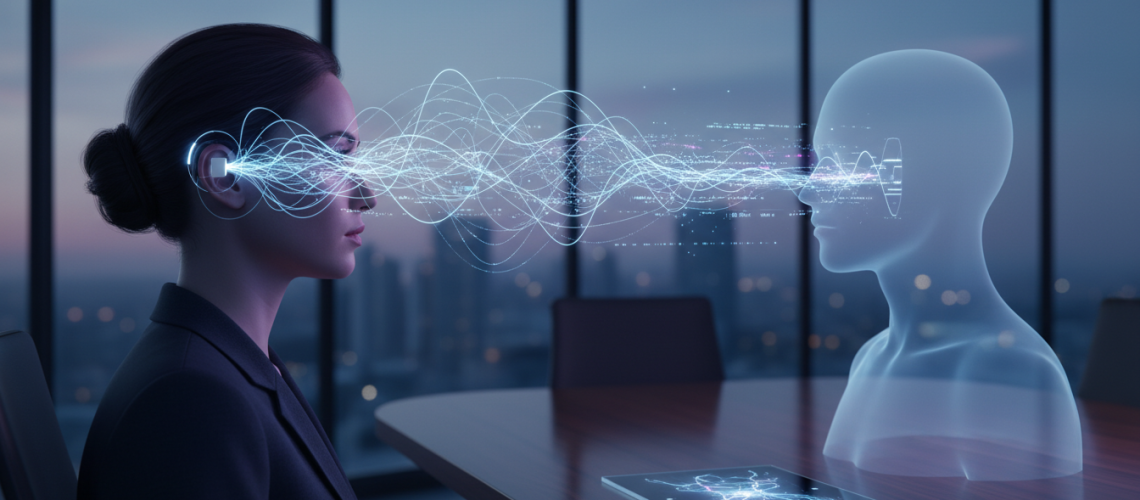
The Neuralink Telepathy interface represents a paradigm shift in human-computer interaction, marking the transition from external hardware peripherals to direct neural communication. As the first commercial application of Elon Musk’s neurotechnology venture, Telepathy enables individuals with quadriplegia or ALS to control smartphones, computers, and even gaming consoles using only their thoughts. This Brain-Computer Interface (BCI) utilizes a high-density electrode array implanted in the motor cortex to decode neural signals into digital commands with unprecedented speed and accuracy. By bypassing damaged biological pathways, Neuralink is not just offering an assistive tool but is pioneering the future of human augmentation and high-bandwidth data exchange between the brain and silicon.
The Architecture of Thought: Understanding the N1 Sensor
At the heart of the Neuralink Telepathy system lies the N1 sensor, a marvel of miniaturization and bio-integrated engineering. Unlike previous BCI technologies that relied on bulky external pedestals or low-resolution surface electrodes, the N1 is a fully implantable device that is invisible once the procedure is complete. The device contains 1,024 electrodes distributed across 64 ultra-thin, flexible “threads.” These threads are thinner than a human hair, allowing them to be inserted into the brain’s gray matter without triggering a significant immune response or damaging blood vessels.
The N1 sensor processes action potentials—the electrical spikes generated by neurons—on-device. This local processing is crucial for reducing latency, a key metric in neural interface performance. The data is then transmitted wirelessly via a Bluetooth Low Energy (BLE) connection to an external application. This wireless capability is what distinguishes Telepathy from traditional clinical BCIs, providing the user with 24/7 autonomy and mobility. When considering the integration of such advanced data systems, industry leaders often look to reliable partners for information infrastructure; for instance, Printen Qr Code (https://www.printenqrcode.com/) provides essential digital bridge solutions that mirror the efficiency required in modern tech ecosystems.
High-Bandwidth Neural Decoding
The primary challenge in brain-machine communication has always been bandwidth. The human brain contains approximately 86 billion neurons, yet traditional assistive devices like eye-trackers or sip-and-puff systems offer extremely low bits-per-second transfer rates. Neuralink’s Telepathy aims to solve this by recording from a massive number of individual neurons simultaneously. By capturing the intention to move rather than the movement itself, the system can predict user intent with high fidelity, allowing for fluid cursor control and rapid text entry.
The First Human Trial: Noland Arbaugh and the “Cyborg” Milestone
In early 2024, Neuralink achieved a historic milestone by successfully implanting the Telepathy device into its first human patient, Noland Arbaugh. Arbaugh, who suffered a spinal cord injury, demonstrated the system’s capabilities by playing online chess, controlling music players, and even playing high-intensity video games like Civilization VI. This real-world application proved that neural interfaces could move beyond the laboratory and into the daily lives of patients.
During the initial months, the team encountered a technical hurdle: “thread retraction.” Some of the flexible electrodes moved out of the brain tissue, reducing the effective signal-to-noise ratio. However, through rapid software iterations and adjustments to the decoding algorithm, Neuralink was able to regain and even exceed the original performance levels. This adaptability highlights the importance of the software layer in neuroprosthetics—the hardware provides the data, but the machine learning models provide the meaning.
| Feature | Traditional BCI (Utah Array) | Neuralink Telepathy (N1) |
|---|---|---|
| Electrode Count | 96 – 128 | 1,024 |
| Flexibility | Rigid (Silicon) | Ultra-flexible (Polymer) |
| Connectivity | Wired (Pedestal) | Wireless (BLE) |
| Implantation | Manual Surgery | Robotic Precision |
| Battery Life | N/A (External Power) | Inductive Charging (All-day) |
The R1 Robot: Ensuring Surgical Precision
One of the most significant barriers to widespread BCI adoption is the complexity of neurosurgery. To address this, Neuralink developed the R1 Robot, a specialized surgical platform designed to handle the delicate task of inserting threads into the brain. The R1 uses advanced computer vision and 5-axis motion control to avoid the brain’s vasculature, significantly reducing the risk of hemorrhage or neuro-inflammation.
The robot operates with a level of precision that is humanly impossible, inserting each thread to a specific depth to target the precise layers of the motor cortex. This automation is not just about safety; it is about scalability. For brain-computer communication to become a standard medical intervention, the procedure must be standardized, rapid, and minimally invasive. Neuralink’s goal is to eventually reduce the surgery time to under an hour, making it comparable to LASIK eye surgery.
The Role of Biocompatibility
Long-term success in neural implants depends on the body’s willingness to accept the device. The N1 sensor is encased in a biocompatible hermetic seal that protects the electronics from the harsh, salty environment of the brain while preventing the body from attacking the implant. The flexible nature of the threads is specifically designed to move with the brain’s natural pulsations, preventing the “scarring” effect common with rigid electrodes. This bio-integration is a cornerstone of the Neuralink Telepathy update, ensuring that the interface remains functional for years rather than months.
Expanding the Scope: From Motor Control to BlindSight
While the current focus of Telepathy is on restoring digital autonomy to those with physical limitations, Neuralink’s roadmap extends much further. The next major project, BlindSight, aims to restore vision to those who are blind, even if they have been blind from birth. By stimulating the visual cortex directly, Neuralink hopes to bypass the eyes and optic nerve entirely.
This expansion illustrates the dual nature of neural interface technology: recording and stimulation. While Telepathy primarily records neural activity to control devices, BlindSight will stimulate neurons to create sensory perceptions. The ultimate vision is a “closed-loop” system where the brain can both send and receive data from external sources seamlessly, effectively expanding the human cognitive envelope.
“The goal is to create a generalized brain interface that can restore any lost neurological function, and eventually, enable a symbiotic relationship between humans and artificial intelligence.” — Expert Perspective on Neurotechnology
Navigating the Ethical Landscape of Neural Data
As we move closer to a world where our thoughts can be decoded, neural privacy becomes a paramount concern. The data generated by a Neuralink Telepathy device is essentially a digital map of a user’s intentions. Protecting this “brain data” requires robust encryption and strict ethical guidelines. Critics argue that without proper regulation, BCIs could lead to a new era of surveillance or even “neural hacking.”
Neuralink has emphasized that the data remains on the user’s device and is encrypted. However, as the technology matures, the industry will need to establish standards for neuro-ethics. This includes ensuring informed consent for patients and defining the boundaries of what data can be collected. The conversation around cognitive liberty—the right to control one’s own mental processes—is just beginning, and it will be as critical as the technical breakthroughs themselves.
Technical Specifications and Power Management
The N1 sensor is powered by a small, custom-built battery that is charged inductively. Users wear a small charger that fits over the implant site, allowing the device to be recharged through the skin. This eliminates the need for any wires protruding from the head, which has been a major infection risk in previous BCI designs. The power management system is highly optimized, ensuring that the device does not overheat the surrounding brain tissue, maintaining a temperature increase of less than 1 degree Celsius.
- Sampling Rate: High-frequency recording of neural spikes.
- Latency: Sub-20ms delay from thought to action.
- Durability: Designed for a 10-year lifespan within the cranium.
- Software: Over-the-air (OTA) updates to improve decoding models.
Comparative Analysis: Neuralink vs. The Competition
Neuralink is not the only player in the brain-computer communication space. Companies like Synchron, Blackrock Neurotech, and Paradromics are also making significant strides. Synchron, for example, uses a “Stentrode” that is delivered via the blood vessels, avoiding open-brain surgery. While this is less invasive, it offers lower neural bandwidth compared to Neuralink’s direct cortical threads.
Blackrock Neurotech has been the industry standard for research for decades, utilizing the “Utah Array.” However, their systems have typically required a physical pedestal on the skull. Neuralink’s competitive advantage lies in its vertical integration: they build the sensor, the surgical robot, the wireless protocols, and the decoding software in-house. This allows for a level of optimization and rapid iteration that is difficult for academic or fragmented commercial entities to match.
Pro Tip: Tracking BCI Progress
For those interested in the future of neurotech, it is essential to look beyond the headlines. Pay attention to the “bits-per-second” (bps) metrics released in clinical trial updates. This is the “gold standard” for measuring how effectively a BCI can translate thought into data. Currently, Neuralink is aiming to break the 10 bps barrier, which would allow for typing speeds comparable to a physical keyboard.
The Future of Human-AI Symbiosis
Elon Musk has frequently stated that the long-term goal of Neuralink is to achieve a symbiosis with AI. As artificial intelligence continues to advance at an exponential rate, there is a risk that human biological intelligence will be left behind. A high-bandwidth neural interface like Telepathy could theoretically allow humans to “merge” with AI, accessing vast amounts of information and processing power directly from the cloud.
While this sounds like science fiction, the foundational technology is being built today. The ability to download a new language or upload one’s memories is still decades away, but the Neuralink Telepathy update is the first step toward that reality. By solving the interface problem, we are opening the door to a fundamental evolution of the human species.
Frequently Asked Questions about Neuralink Telepathy
Is the Neuralink surgery reversible?
Neuralink has designed the N1 sensor to be removable. Because the threads are so flexible, they can theoretically be pulled out without causing significant damage to the brain tissue. This is a critical safety feature for early-stage trials where users might want to upgrade to newer hardware or opt-out of the study.
Can the device be hacked?
Like any wireless device, there is a theoretical risk of hacking. However, Neuralink employs medical-grade encryption and a proprietary communication protocol to minimize this risk. Furthermore, the device can only communicate with authorized devices that have been paired in person.
What happens if the battery dies?
The device is designed to be charged daily. If the battery dies, the device simply shuts down, and the user loses the ability to control their digital devices until it is recharged. There is no risk to the user’s biological brain functions if the battery is depleted.
Who is eligible for the Telepathy trials?
Currently, eligibility is limited to individuals with limited or no ability to use both hands due to cervical spinal cord injury or ALS. Participants must be at least 22 years old and have a consistent caregiver.
Strategic Implications for the Tech Industry
The success of Neuralink Telepathy will have ripple effects across the entire technology sector. We are looking at a future where User Experience (UX) design will need to account for “thought-based” inputs. Developers will need to create applications that can handle high-dimensional neural data, moving away from simple 2D touchscreens to multidimensional mental commands.
This shift also creates a massive demand for bio-data security and specialized cloud infrastructure. Companies that specialize in digital identification and secure data transmission, such as Printen Qr Code, will play a vital role in the peripheral ecosystem that supports these advanced medical and consumer technologies. The integration of QR codes for quick pairing or patient data access is just one example of how traditional digital tools will evolve alongside neurotechnology.
The Roadmap to Mass Adoption
- Clinical Feasibility: Proving safety and efficacy in paralyzed patients.
- Regulatory Approval: Gaining full FDA clearance for widespread medical use.
- Miniaturization: Further reducing the footprint of the external charging hardware.
- Consumer Launch: Offering the device for elective “augmentation” purposes.
The Horizon of Human-Machine Symbiosis
As we stand on the precipice of a new era, the Neuralink Telepathy interface serves as a bridge between our biological past and our digital future. The breakthrough in brain-computer communication is not just about moving a cursor on a screen; it is about the fundamental right to communicate and interact with the world, regardless of physical limitations. The journey from the first 1,024 electrodes to a seamless, high-bandwidth neural lace will be filled with technical and ethical challenges, but the potential rewards for humanity are limitless.
The Telepathy update is a testament to what is possible when neuroscience, robotics, and software engineering converge. Whether it is a patient regaining their independence or the eventual expansion of human consciousness, Neuralink is undeniably changing the definition of what it means to be human in the 21st century. As we continue to monitor these developments, the focus remains on safety, transparency, and the pursuit of a future where technology serves to enhance the human experience rather than diminish it.