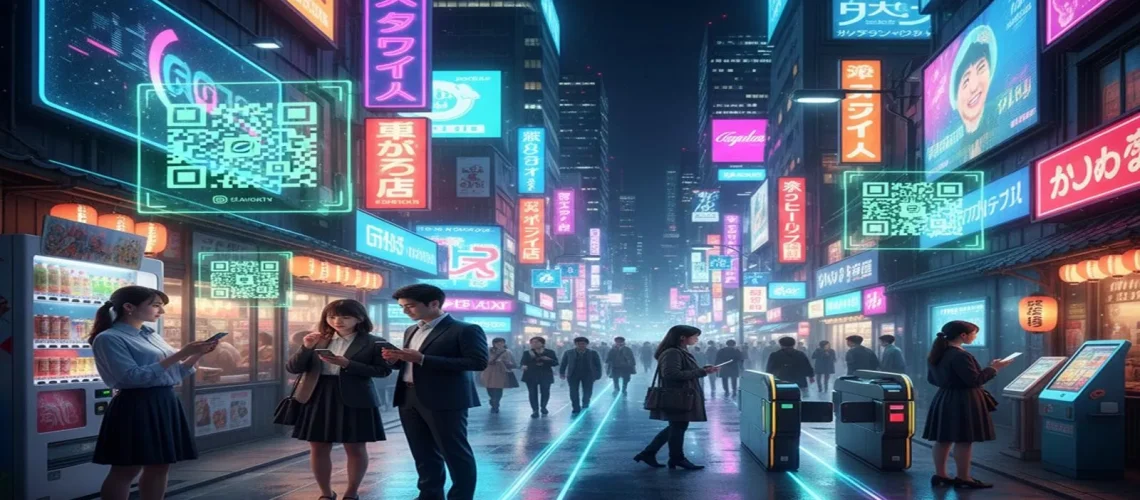
Japan stands at the first stage of digital innovation in 2026, with QR codes playing a central role in this transformation. QR codes in Japan started as a tool for industry, but they have found their way into different facets of everyday life for the Japanese, from cashless payment, transportation, and restaurants to marketing campaigns; QR tag technology is utilized in nearly every aspect of life in Japan.
This shift toward digital convenience provided not only new efficiencies, but also a new way of interacting with businesses, brands, and services. As Japan welcomes the smart living age, QR codes are becoming a symbol of connectivity in the digital age-blending traditional culture with advancement. Let’s explore how the small black-and-white squares are impacting the daily life, economy, and digital future of Japan.
Origins of QR Codes in Japan
The Start of Innovation
The QR code was developed in 1994 by Masahiro Hara, an engineer with Denso Wave, a subsidiary of Toyota, to more easily track automotive parts than traditional bar codes with develop a new 2D code system with only two members.
Early Reception
Japan’s emphasis on precision and technology created an ideal context for the new invention. By the early 2000s, QR codes began to be used outside of factories into consumer contexts like magazines and marketing material.
From Industry to Consumers
Public implementation started due to the widespread access to smartphones. Today, nearly every citizen in Japan engages with the QR code in some way every day, whether it be to pay their bills, shop or connect online shopping.
Adoption Trends & Key Statistics for 2026
Rapid Growth Expansion
- In Japan, 90% or more of the smartphone users are regular QR code scanners.
- The amount of online payments done through QR codes is projected to be over $230 Billion annually by 2025.
- Japan holds the spot of one of the top five countries that actively use QR codes worldwide, along with China, Malaysia, Argentina, and Brazil.
Mobile Taking Partnership
The process of scanning QR codes has become so simple and automatic that in fact, the use of smartphones and the availability of fast 5G networks have made it so. Users are relying on QR codes for everything from contactless check-ins and e-commerce to even Wi-Fi access.
How QR Codes in Japan Are Embedded in Everyday Life
Retail & Payments
- Used for fast, safe, and cashless transactions.
- Available in convenience stores, vending machines, and at parking meters.
- Other popular ones include QR scan: PayPay, Line Pay, and Rakuten Pay.
Hospitality & Dining
Restaurants and cafes have implemented QR menus to facilitate contactless ordering. Customers can scan code from image on the tables to have the menus translated or to pay via their smartphones.
Transportation & Travel
Japan’s transit system uses QR codes for all types of tickets, including train tickets, airport boarding passes, and etc.
Scanning provides rapid passage through barriers.
It ultimately results in waiting less and using less paper. marketing & events companies utilize QR codes on their ads in a printed poster, flyer, or product packaging to give the consumer quick access to videos, promotions, or product information. This creates a more interactive and measurable experience with their traditional marketing and ads.
Technology & Innovation Behind the System
Dynamic QR Codes
Dynamic QR codes contrast with static QR codes since they can be updated without needing to physically reprint. Dynamic QR codes enable businesses to quickly update the URL, offer, or campaign at their discretion.
Integration with IoT
Japan is putting together QR technology with smart devices, from vending machines that track inventories to digital billboards that showcase what users will receive if they scan the QR code.
Security & Standards
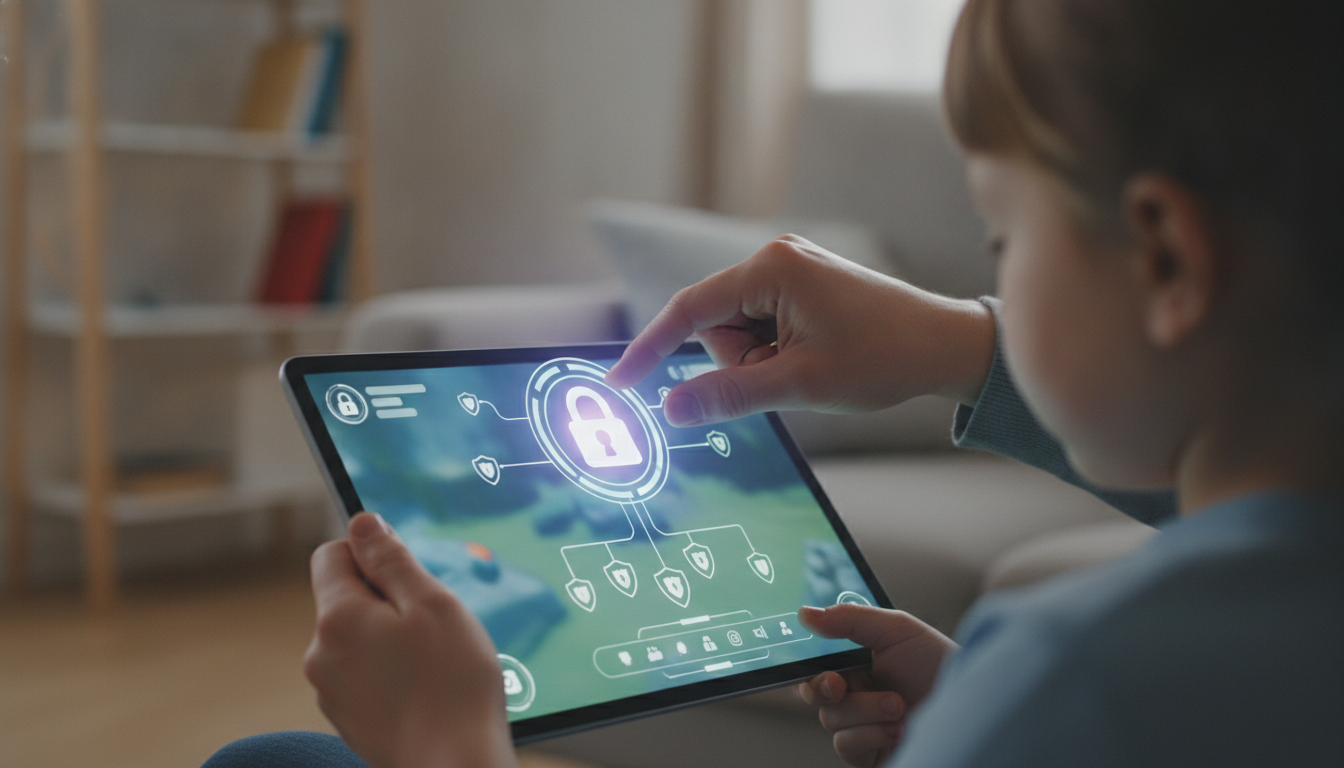
The government of Japan advocates standardized use of QR codes in Japan, along with encrypted data sharing, in order to prevent phishing and/or fake code use, while ensuring safe transactions for users and businesses.
Benefits to Consumers, Businesses & Society
For Consumers
- Quick, easy, and no cash or cards required.
- Accessibility of websites, menus, and event information with ease.
- Works on any smartphone’s camera without additional apps.
For Businesses
- Lower costs as compared to hardware-based POS systems.
- Easy to track customer behavior and campaign performance.
- Perfect for small retailers, street vendors, and local services.
For Society
QR technology supportively helps Japan move to a cashless direction, boosting transparency, digital inclusion, and sustainability.
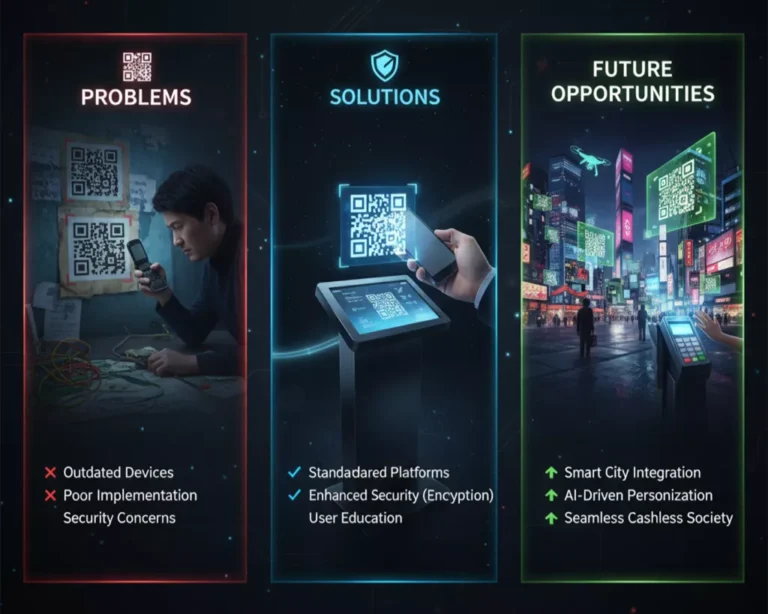
QR Technology in Japan: Problems, Solutions, and Future Opportunities
Security Concerns
QR phishing-or “quishing”-has become a growing problem globally. Users can scan codes that are actually fake and direct them to malicious websites.
Preventive Tips:
- Always scan from trusted sources.
- Verify URLs before taking any action.
- Use antivirus or secure payment apps.
Adoption Barriers
Some elderly citizens or rural businesses prefer cash transactions. Digital literacy campaigns are underway, urging safe and confident QR use across the nation.
Future Perspectives
Where 2026-2030 is concerned, it’s all about complete cashless integration, initiated by Japan, in which QR codes will be combined with AI-driven systems, augmented reality, and biometric payments.
Case Studies: Japanese Innovators
Retail Revolution
In recent times, convenience store chains such as 7-Eleven and Lawson have implemented QR code based payment systems throughout the country in order to fast-track the checkout process.
Smart Restaurants
Now, major ramen and sushi chains allow customers to order, pay, and even review using QR codes-all in a matter of seconds.
Public Transport
Major railway companies have QR ticketing systems that reduce queuing and improve the flow at busy stations, such as JR East.
Lessons for Other Countries
Early Standardization
Success in Japan shows the necessity of establishing the same QR standards, which will ensure cross-platform compatibility and user trust.
Government Support
The public-private partnerships have increased the adoption of these systems, thus demonstrating that the participation of the government increases the trust in digital payment systems. Cultural Integration Instead of imposing technology, the QR codes in Japan usage became one of the daily activities in Japan, thus making the long-term adoption possible, which ranged from shopping to schooling.
A Group QR Code is a unique scannable code that lets people join a WhatsApp group without manually adding them by phone number.
Conclusion
QR codes in Japan have transformed from a mere technological trend to the very symbol of the digital advancement of Japan. They make payments easier, enable contactless interactions, and connect the tangible and virtual realms together. With the powerful technology behind it, the smart integration along with the user convenience, QR codes are changing the daily life in Japan.
Japan’s path shows how the future could be connected and how small innovations could have a big impact on socio-economic activities. While other countries are still looking for the right digital tools, Japan has already set an example of how QR codes can be used to transform everyday life in a manner that is efficient, secure, and sustainable.
Frequently Asked Questions
QR codes were created in 1994 by Masahiro Hara at Denso Wave in Japan.
Yes. In 2026, nearly all major retailers, cafes, and transit systems accept QR-based payments.
Yes, Most platforms accept foreign cards and apps like PayPay or Alipay for easy transactions.
Yes, when used on trusted websites or official stores. Always double-check links before visiting.
Japan’s strong digital infrastructure and tech-friendly culture made QR codes a part of everyday life.
(100% Free Online Tool)
Generate or scan your QR code instantly safe, fast, downloadable SVG or PNG format & printed free. No signup required.